

December 2025 Newsletter
Posted By: Mark Friday 16th January 2026 Tags: AI, Artificial Intelligence, cyber attacks, cyber crime, Cyber Security, Data Breach, Data Leak, Data Privacy, Data Protection, Newsletter, ransomware, technologyThis month: UK’s national AI strategy, Britons use AI for emotional support, big brands face AI advertising backlash, positive AI real-world uses, plus the latest LaneSystems news.

Britain Wants To Be An “AI Maker, Not an AI Taker”
Throughout 2025, one phrase dominated UK technology discussions: the ambition for Britain to become an “AI maker, not an AI taker.” It’s a neat soundbite, but it also reflects a serious shift in how the UK wants to position itself in the global digital economy. For business leaders — even those who don’t consider themselves tech‑savvy — this agenda matters because it will shape the tools, regulations, and opportunities that organisations rely on over the next decade.
So what’s behind this push, and why did it once again become such a talking point by the end of 2025?
A National AI Strategy Takes Shape
The idea gained momentum earlier in the year with the government’s AI Opportunities Action Plan, which set out how the UK could strengthen its position in artificial intelligence. The plan emphasised that Britain shouldn’t simply import AI systems from the United States or China, but should instead develop its own technologies, talent, and infrastructure.
By December, this had become a central theme in government speeches, industry commentary, and media coverage. The message was clear: if the UK wants to stay competitive, it needs to build more of its own AI, not just buy it in.
This ambition was reinforced at London Tech Week, where the Prime Minister spoke about the need for the UK to lead in AI innovation. Industry leaders echoed the sentiment, arguing that AI will soon underpin every sector, from finance and retail to manufacturing and professional services.
A Turning Point for UK AI?
Several developments brought the issue into sharper focus:
1. Concerns about relying too heavily on foreign AI
Most of today’s leading AI models are built by large US companies. While these tools are powerful, relying on them raises questions about data control, long‑term costs, and the UK’s ability to shape how the technology evolves. Policymakers warned that without stronger domestic capability, Britain could lose influence over a technology that will define future economic growth.
2. Infrastructure pressures highlighted the challenge
Reports in December showed that the UK’s data‑centre capacity — the physical backbone needed to run AI systems — was struggling to keep up with demand. Without investment in new facilities and energy supply, the UK risks being unable to support large‑scale AI development at home.
3. Skills shortages became impossible to ignore
The government has committed to training millions of workers in AI‑related skills by 2030. December’s discussions made clear that this isn’t just about creating more data scientists — it’s about ensuring people in every sector understand how to use AI tools confidently and responsibly.
What Could This AI Drive Mean for UK Businesses
Even if you’re not deeply involved in technology, this shift will affect your organisation in several ways:
1. More home‑grown AI tools and services
Expect to see more British companies developing AI products tailored to UK regulations, business culture, and sector needs. This could mean better alignment with data‑protection rules, clearer pricing models, and tools designed with UK industries in mind.
2. Greater focus on digital skills
Businesses will be encouraged, and, in some cases, required, to invest in staff training. This doesn’t mean turning everyone into programmers. Instead, it’s about helping employees understand how AI can support their work, improve efficiency, and reduce repetitive tasks.
3. A more supportive regulatory environment
The UK aims to create rules that encourage innovation while maintaining public trust. For businesses, this should mean clearer guidance, fewer grey areas, and a more predictable environment for adopting new technologies.
4. Opportunities for competitive advantage
Companies that embrace AI early — even in small, practical ways — are likely to benefit from improved productivity and better customer experiences. The government’s push to build domestic capability means more support, more funding, and more accessible tools for UK firms.
The Road Ahead
The ambition to become an “AI maker, not an AI taker” is bold, and the UK still faces challenges — from infrastructure gaps to global competition. But, December marked a moment when government, industry, and the public began to align around a shared goal – ensuring Britain has a meaningful role in shaping the future of artificial intelligence.
For UK businesses, the message is simple: AI isn’t just a tech issue. It’s a strategic one. And the organisations that start preparing now will be best placed to thrive in the years ahead.

LaneSystems News
ISO Certifications
We are delighted to announce that we have achieved our ISO 9001 and ISO 27001 certifications!


ISO 9001 is the global standard for quality management systems. LaneSystems’ certification confirms that our services are delivered through defined, consistent processes focused on reliability, accountability, and continual improvement.
It demonstrates our commitment to meeting customer requirements, monitoring performance, and improving how we deliver and support our services.
For clients, this provides assurance that LaneSystems operates in a structured, professional, and quality-driven way.
ISO/IEC 27001 is the internationally recognised standard for information security. LaneSystems’ certification confirms that we have an independently audited Information Security Management System in place to protect client data and critical business information.
It demonstrates that we actively manage security risks, apply appropriate technical and organisational controls, and continually review and improve how information is protected across our services.
For clients, this provides confidence that security is built into how we operate, not treated as an afterthought.
Charity News
This month, we are donating £350 worth of security awareness training to Willow Burn Hospice. This is related to phishing campaigns, to assist with users’ security and awareness.
Windows 10 End of Support Reminder
We’re going to keep leaving a gentle reminder here that Microsoft will no longer officially support Windows 10 on October 14, 2025. After this date, Microsoft will no longer provide security updates, bug fixes, or technical assistance for Windows 10. Read more about why it’s essential to keep systems up to date in the article below.
We have been contacting all of our clients during the past year to make them aware, so that we can plan a smooth transition to Windows 11 where necessary. If you’re a business in the North East of England who needs help with the update, contact us today for assistance.

One in Three Britons Turn to AI for Emotional Support
A growing number of people in the UK are turning to artificial intelligence for emotional support, according to a major new report from the government‑backed AI Security Institute (AISI). The findings — highlighted by the BBC — show that AI is no longer just a tool for productivity, but is increasingly becoming a companion for everyday life.
The AISI’s first annual report examined the behaviour of more than 30 advanced AI systems and surveyed over 2,000 UK adults. It found that one in three people have used AI for emotional support or social interaction, with one in 25 doing so every day. Many rely on chatbots such as ChatGPT, while others use voice assistants like Alexa.
Trauma Dump
Other outlets have echoed the scale of the trend. Yahoo News reported that nearly a third of Britons now “trauma‑dump” on AI systems, using them to discuss worries, loneliness, or personal struggles. Digital Market Reports similarly noted that emotional reliance on AI is becoming widespread, particularly among younger adults.
The AISI also studied what happens when these systems fail. By analysing a Reddit community of more than two million AI‑companion users, researchers found that when chatbots went offline, people reported withdrawal‑like symptoms, including anxiety, low mood, disrupted sleep, and neglecting responsibilities. Experts say this raises important questions about emotional dependence and the need for clearer safeguards.
The AISI’s findings paint a picture of a technology becoming deeply woven into daily life. AI can be helpful and supportive, but it is not a substitute for human connection, nor is it risk‑free. As AI becomes more capable, the UK will need stronger safeguards, clearer guidance, and a better understanding of how people are using — and depending on — these systems.
Big Brands AI Backlash
Brands Face Growing Criticism Over AI-Generated Adverts
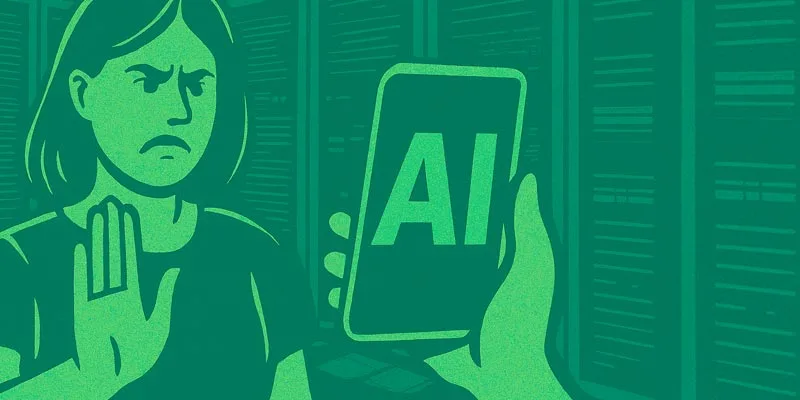
Major global brands are facing mounting criticism for turning to artificial intelligence to produce their advertising campaigns, with recent examples from McDonald’s and Valentino sparking widespread backlash online.
In early December, McDonald’s Netherlands pulled its AI‑generated Christmas advert just three days after release following a wave of negative reactions. The 45‑second film, stitched together from multiple generative‑AI clips, was intended to show the “terrible” things that can go wrong during the festive season. Instead, viewers described the characters as “creepy”, the editing as “poorly done”, and the overall effect as unsettling. One commenter even called it “the most god‑awful ad I’ve seen this year”
The advert also reignited concerns about job displacement in the creative industries. Social media users questioned whether AI‑produced campaigns could replace actors, camera crews and production teams, with one viewer lamenting: “No actors, no camera team… welcome to the future of filmmaking. And it sucks”. McDonald’s later said removing the advert was “an important learning” as it explores how AI might be used responsibly in future campaigns.
Around the same time, Italian fashion house Valentino faced its own backlash after releasing an AI‑generated Instagram campaign promoting its Garavani Devain handbag. The video featured surreal, dream‑like imagery, including people emerging from a gold handbag and models merging with swirling Valentino logos. Many viewers found it “disturbing”, “cheap”, and “tacky”. Critics argued the visuals clashed with the brand’s luxury identity, with one user saying: “They’re supposed to represent craftsmanship and prestige. This doesn’t represent any of that”.
Marketing analysts say these reactions highlight a growing tension. While AI offers speed and cost savings, audiences increasingly expect authenticity and human creativity — especially from premium brands. Research cited in a Startups report shows that only 38% of consumers are excited about AI in advertising, while nearly half simply don’t trust it.
Both cases underline a broader lesson for brands: AI can be a useful tool, but when it replaces rather than supports human creativity, audiences notice — and they’re not always impressed. As more companies experiment with AI‑generated content, the challenge will be finding the balance between innovation and the human touch that consumers still value.
How AI Is Helping To Improve Lives
Not All AI Is Making Headlines for the Wrong Reasons
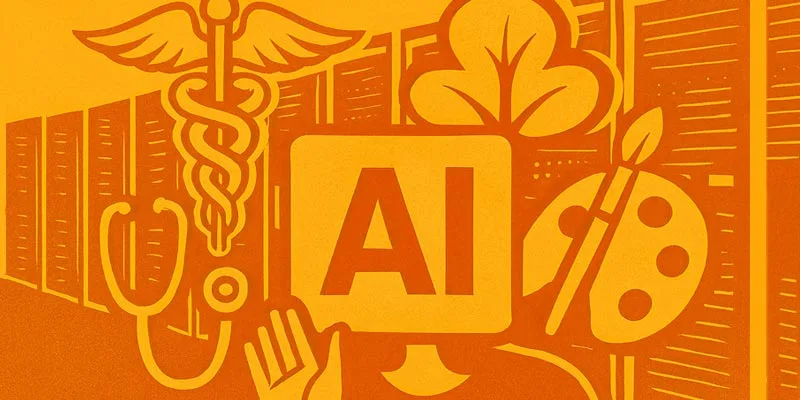
While some brands have recently faced criticism for clumsy or unsettling AI‑generated adverts, many other developments in artificial intelligence are receiving far more positive attention. The last year saw a wave of encouraging stories showing how AI is improving healthcare, science, public services, and even the creative industries.
Smarter, Faster Medical Diagnosis
AI made major strides in medical detection and diagnosis throughout 2025. A year‑end review highlighted that AI systems are now outperforming humans in several complex diagnostic tasks, including breast cancer detection and cardiovascular risk prediction.
Meanwhile, a LinkedIn healthcare roundup reported that combining a simple questionnaire with an AI model analysing patient records increased dementia diagnoses by 31%, with 41% more follow‑up assessments, all without adding extra time for clinicians. AI also showed strong results in spotting osteoporosis from standard scans, helping doctors detect issues earlier in areas with limited specialist equipment.
Breakthroughs in Drug Discovery and Personalised Medicine
AI also accelerated drug discovery at an unprecedented pace. According to The Week, 2025 saw major advances in AI‑designed antibiotics, regenerative medicine, and precision‑medicine tools that tailor treatments to individual patients.
These systems can analyse vast datasets in seconds, helping researchers identify promising compounds far faster than traditional methods. This shift is expected to shorten development timelines and improve outcomes for patients with complex or rare conditions.
Reducing Admin Burden for Healthcare Workers
AI “ambient scribes” and clinical copilots became increasingly common in hospitals, automatically documenting consultations and reducing paperwork. This technology significantly cut clinician burnout by freeing up time for patient care rather than admin tasks.
Supporting Science and Environmental Progress
Beyond healthcare, AI played a growing role in scientific and environmental work. December reports highlighted AI tools that improve climate‑modelling accuracy, optimise renewable‑energy grids, and accelerate materials‑science research — all essential for tackling global challenges.
Improving Safety, Accessibility and Public Services
AI also supported public‑sector improvements, from better road‑safety analytics to enhanced accessibility tools for disabled users. These systems help authorities plan more effectively and deliver services more efficiently.
Boosting Creativity in Arts and Engineering
Finally, AI continued to inspire positive change in the creative industries. Dezeen’s December review showcased AI restoring damaged artefacts, assisting architects in designing sustainable buildings, and giving artists new tools to explore ideas that would be difficult or impossible by hand. These examples show AI as a collaborator rather than a replacement, helping people push creative boundaries.
Looking Ahead: Living With AI
As AI continues to evolve, it’s clear that it will reshape many parts of our lives. Some will be for the better, and some in testing ways which we’ll need to manage carefully. Like any powerful tool, it brings risks alongside opportunities, and the challenge for all of us will be learning how to use it wisely while pushing back against the parts that don’t serve us. But, if the positive developments of the past year are anything to go by, there’s every reason to believe we can guide AI towards outcomes that genuinely improve life for people.
Need Cyber Security?
If you’re a business in the North East of England and looking for professional and reliable cyber security services, IT consultation, and general IT services to keep your company cyber secure, get in touch. Cybersecurity is a continuous process, and staying proactive is key to safeguarding digital assets.


